ISSUE NO. 04 · STUDIO VISIT
Adad
Hannah
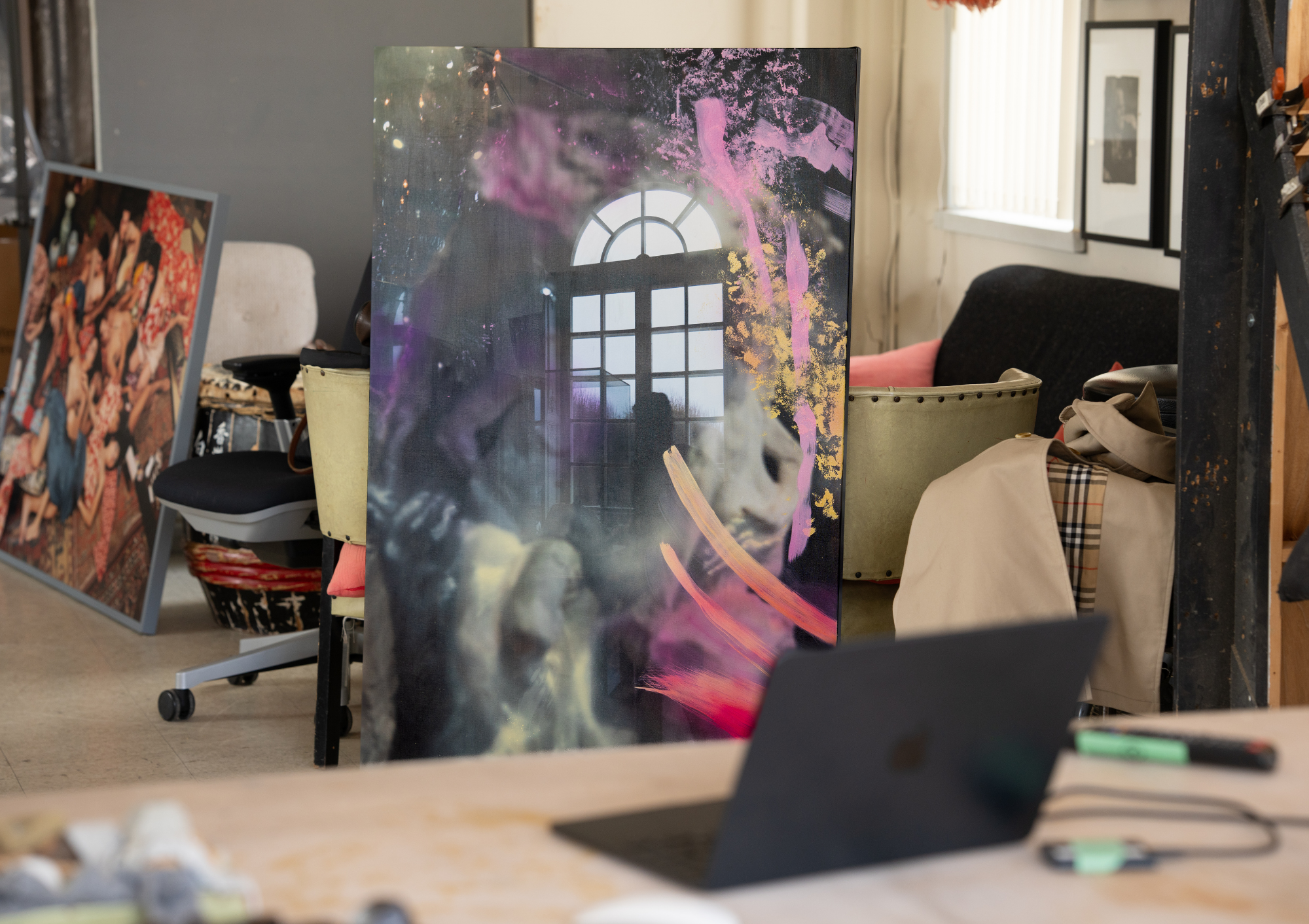
Adad Hannah is an artist working across painting, sculpture, photography, video, and installation. His practice returns to a central question: how people experience art and how one work might shift the way they see another. Threaded through his career is a deep engagement with historical art and the early roots of photography, including his ongoing tableaux vivants reimagining works such as Géricault's Raft of the Medusa. His work is collected internationally and has been commissioned by museums around the world.
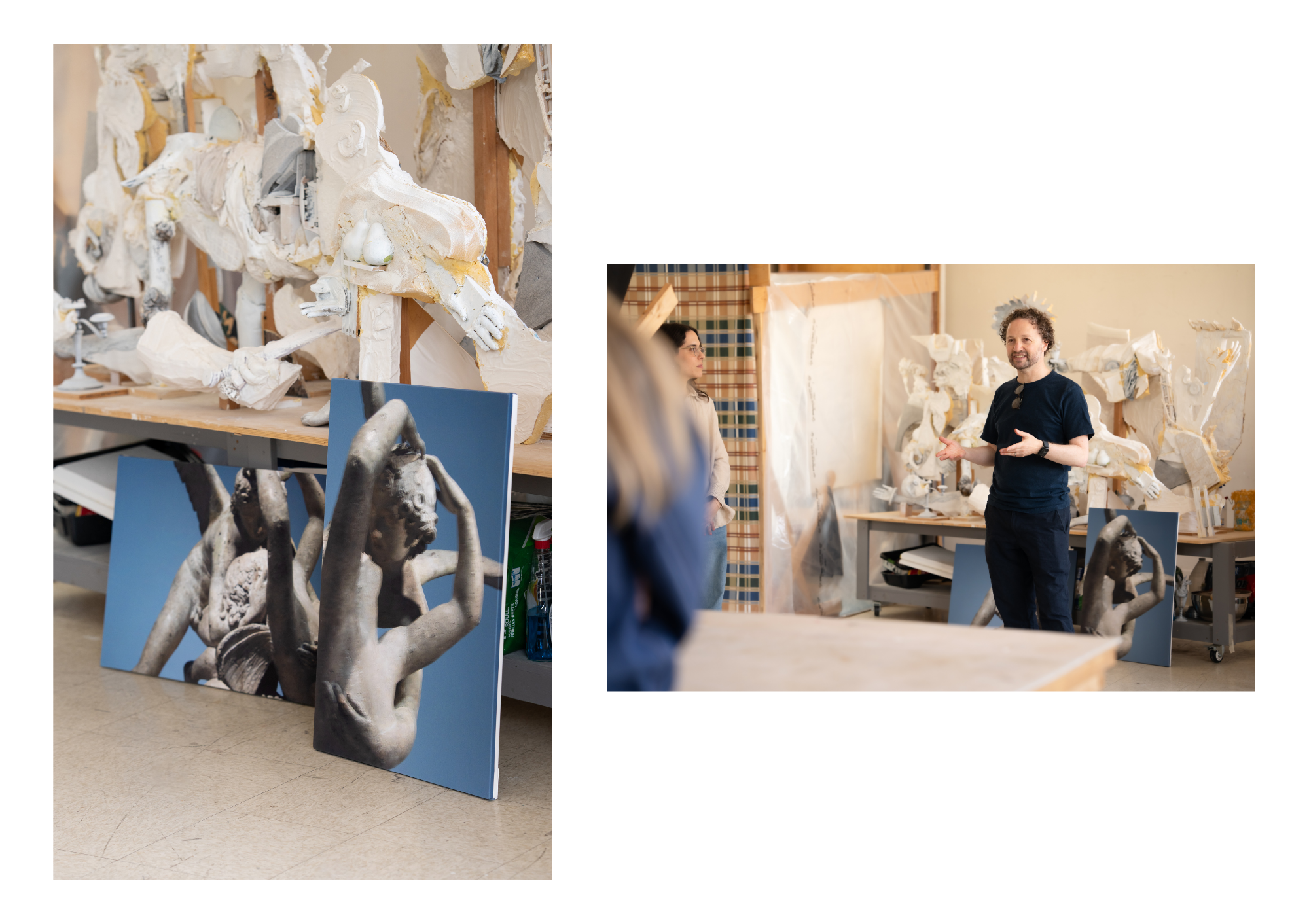
How has your work evolved? What is an element of your practice that has remained consistent throughout your career?
"Over my career, I've used many different mediums and kind of developed them or worked on one for a while, made some sculptures, stopped, made some paintings, stopped, worked on videos. But I think throughout those works, there's a common thread of looking at historical projects, earlier means of production, how photography started, the roots of photography, that kind of thing. And also historical works of art.
For instance, I've done two projects around the Raft of the Medusa where I pose people to look like Géricault's painting and then ask them to stay still and shoot a tableau vivant. So at first you think you're looking at a classical painting, but then you see that people are breathing and blinking and moving, and you realize you're looking at something very contemporary.
One of the main ideas I always return to is how people experience the work and how they're going to interact with it, how it speaks to one's experience of art. When you see my work, you might then look at another work of art differently. Or vice versa."
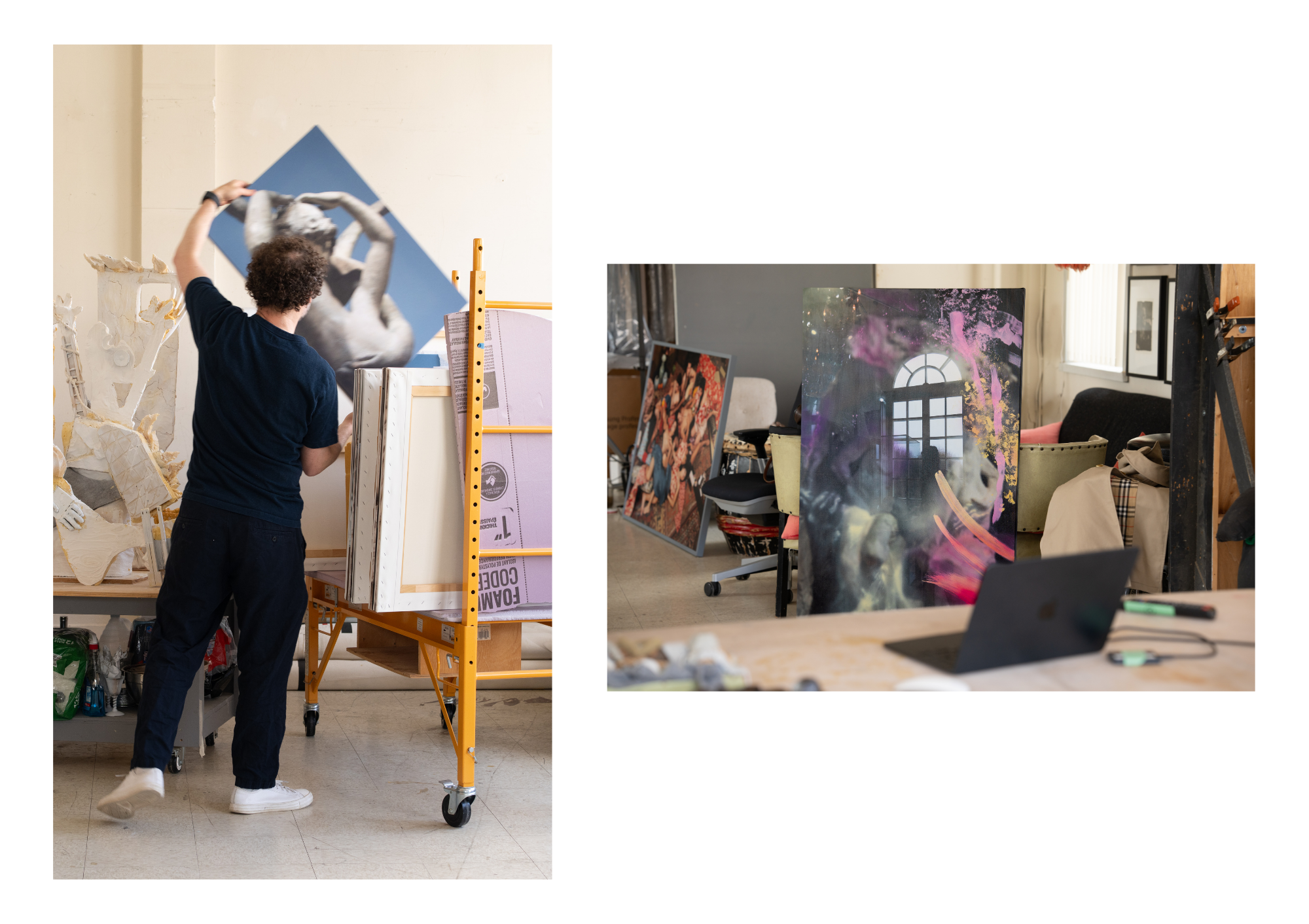
Your work is collected all over the world. What do you believe it is about your work that attracts collectors?
"My visual art in general isn't language dependent, and so it's able to travel in different ways than movies or music. My work is collected around the world, and I'm commissioned to do projects around the world. One thing I really like is to produce a project in one place and then have it travel from there.
I did a Raft of the Medusa project in Senegal, and actually the story of the Raft of the Medusa, the boat was headed to Senegal. So I remade the project there, and then it travels from there. I'm often approached by museums around the world to produce projects, and they'll ask me to go produce a project in their museum or in their city. It's always interesting for me to produce work in a new context, to make it for and by that community, but then afterwards it travels. It's a kind of dialogue between the city I produce a work in and another city it's then shown in.
As an artist making work, it's always interesting for me to see where my work ends up. Sometimes it could be in somebody's house on the other side of the world, in a museum in Paris, anywhere. People collect work, people show work for different reasons. Sometimes it's in conversation with work the museum already owns. Sometimes a collector will see work and just have to have it. As an artist, you have to learn to let things go, let objects, videos, paintings, bronzes have their own lives, if you will, after I'm done making them. Then they go out into the world and have their own lives."
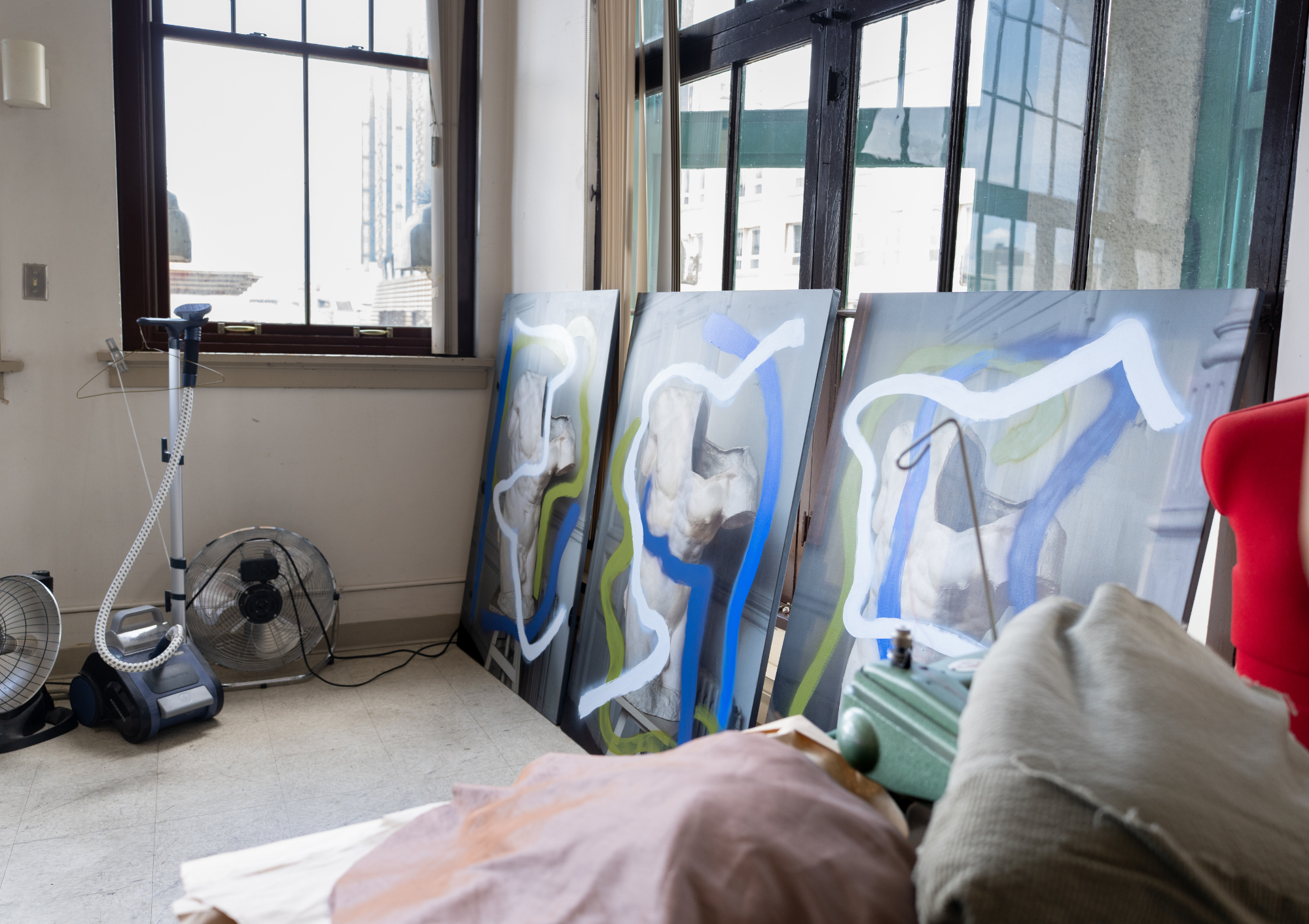
"You have to learn to let things go. Let objects, videos, paintings, bronzes have their own lives, if you will, after I'm done making them."
How do you balance having a deep conceptual practice and making your work accessible to a wider audience?
"Although my work always has a conceptual underpinning and a reason for being besides purely aesthetic reasons, I do think that when you have a work, sometimes it's because it's based on a historical work, sometimes it's because of a beautiful brushstroke or the way something's built, you can pull someone in visually. Then after that, things open up enough to think about, to talk about, to address other ideas.
If your work is too closed off and too conceptual, it's hard for people to engage with it."