
ISSUE NO. 06 · STRATEGIC INSIGHT
Art as
Economic
Driver
There is a quiet but costly assumption embedded in nearly every luxury development budget: that art is decoration. It sits inside the FF&E line, sourced from catalog programs designed for consistency rather than distinction, and cut first when budgets tighten. The result is predictable: properties that look polished but feel interchangeable, guests who move through them without pause, and brands that compete on amenities because they have nothing more singular to offer. The problem isn't the art. It's the category.
When art is treated as a commodity, it performs like one.
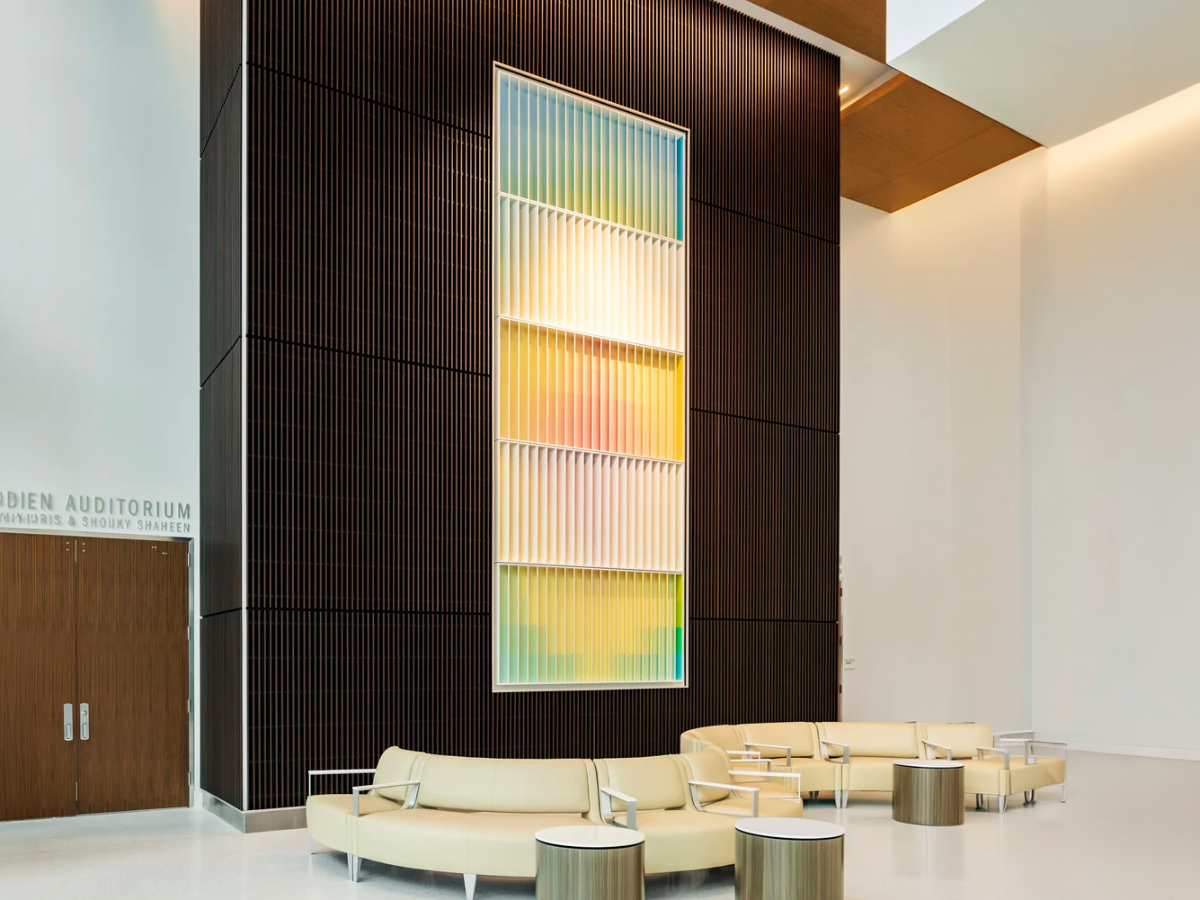
A sense of place so particular, guests feel it before they can name it.
The most resilient luxury properties are the ones that command loyalty, generate their own press, and hold rate through down cycles. They share something that doesn't appear on a spec sheet. They have a point of view: a sense of place so particular that guests feel it before they can name it and reach for their phones to try.
That feeling isn't accidental, and it isn't the result of a generous FF&E budget.
It's the result of art and narrative being treated as foundational decisions, made early, made intentionally, and made by people who understand the difference between filling a wall and building a world.
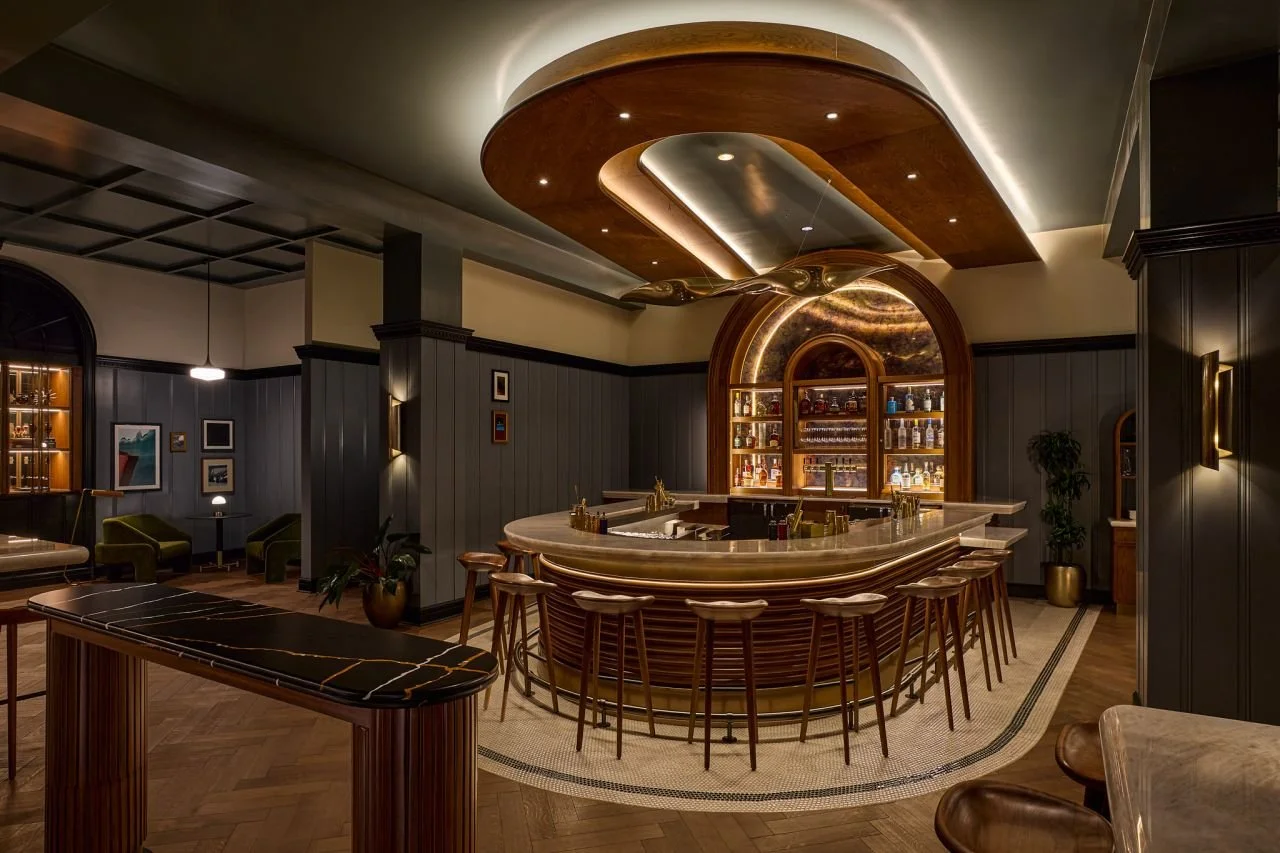
The case is well documented.
Research from Cornell's Center for Hospitality Research has mapped the direct relationship between a property's reputation for design and atmosphere and its ability to command rate. Industry analysts at HVS have shown that art and placemaking represent a small fraction of total development capital, yet their influence on how a property is remembered, reviewed, and returned to is disproportionate.
The research supports what experienced hoteliers already know intuitively: guests don't fall in love with a hotel because of its thread count. They fall in love because of how it made them feel. Art is one of the most powerful levers for engineering that feeling deliberately.
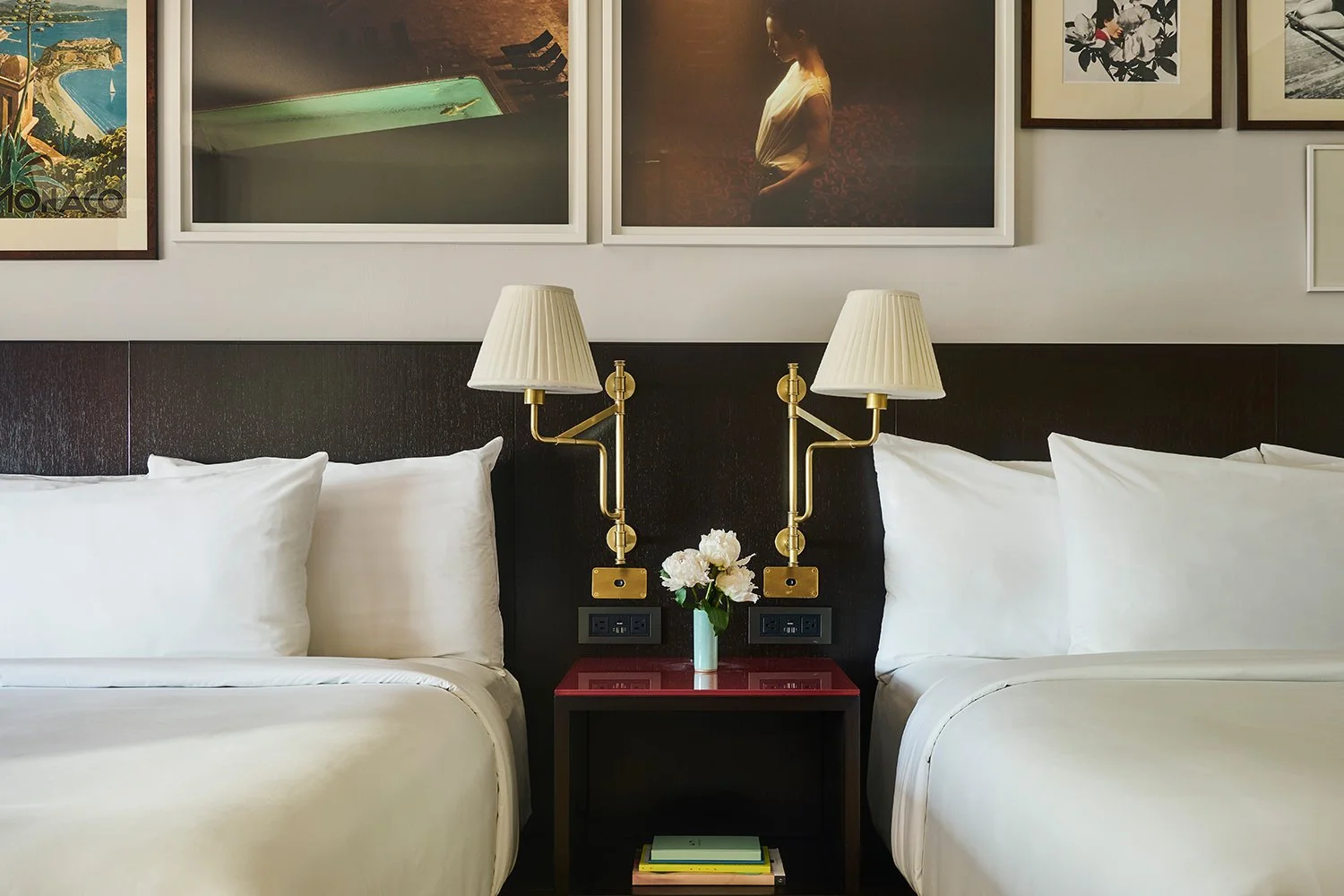
The proof is already in the public record.
At past Farmboy projects like Park MGM, W South Beach, Rosewood Hotel Georgia, Montage Big Sky, One&Only One Za'abeel, and Four Seasons Whistler, art was treated as identity infrastructure rather than finish material. The results show up in the language guests use to describe their stays, in the editorial coverage that money cannot buy, and in the awards that follow when a property becomes genuinely singular.
When art is designed as part of a place's soul, it generates the kind of attention and loyalty that no marketing campaign can replicate.
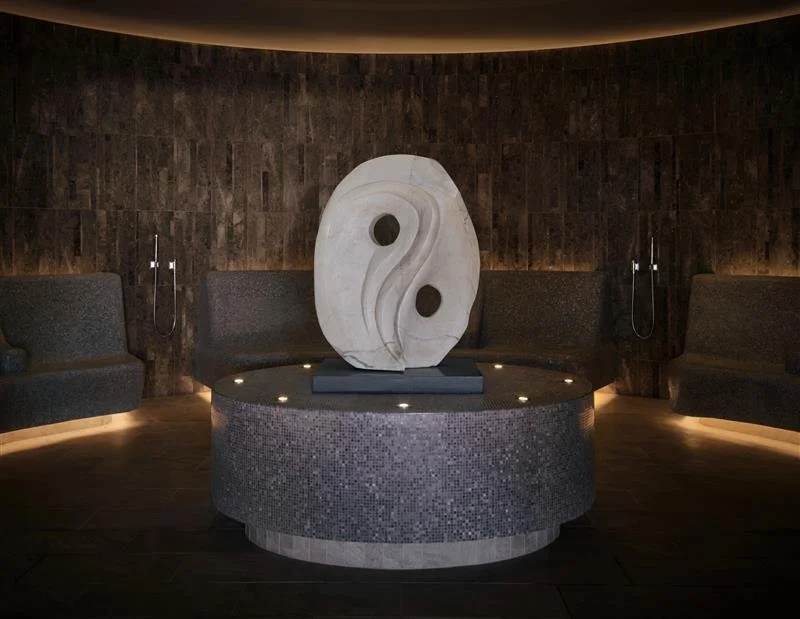
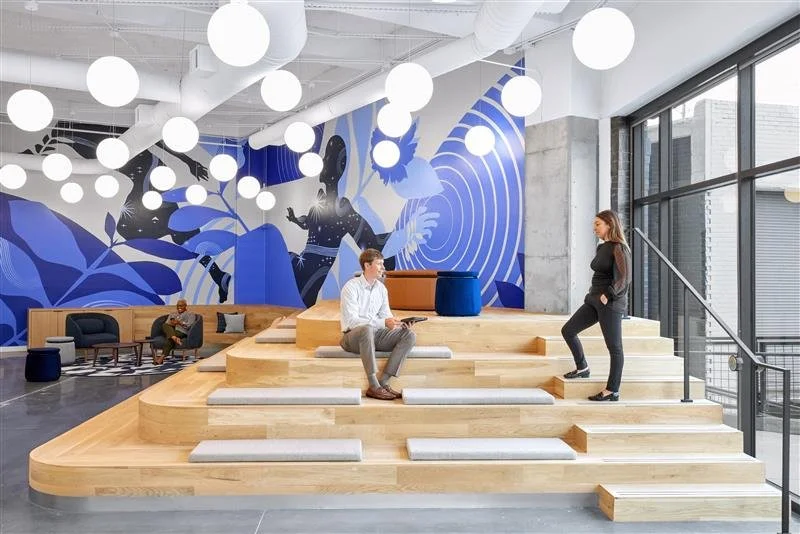
This cultural moment amplifies the opportunity.
The 2026 Venice Biennale, curated by the late Koyo Kouoh under the theme In Minor Keys, reflects a broader shift in how audiences are relating to art and space: a turn toward the intimate, the human, and the irreducibly present. Guests are increasingly attuned to the difference between environments that were designed to impress and environments that were designed to mean something.
The brands and properties that meet that hunger now and build places with genuine narrative depth are earning a form of loyalty that outlasts any renovation cycle.
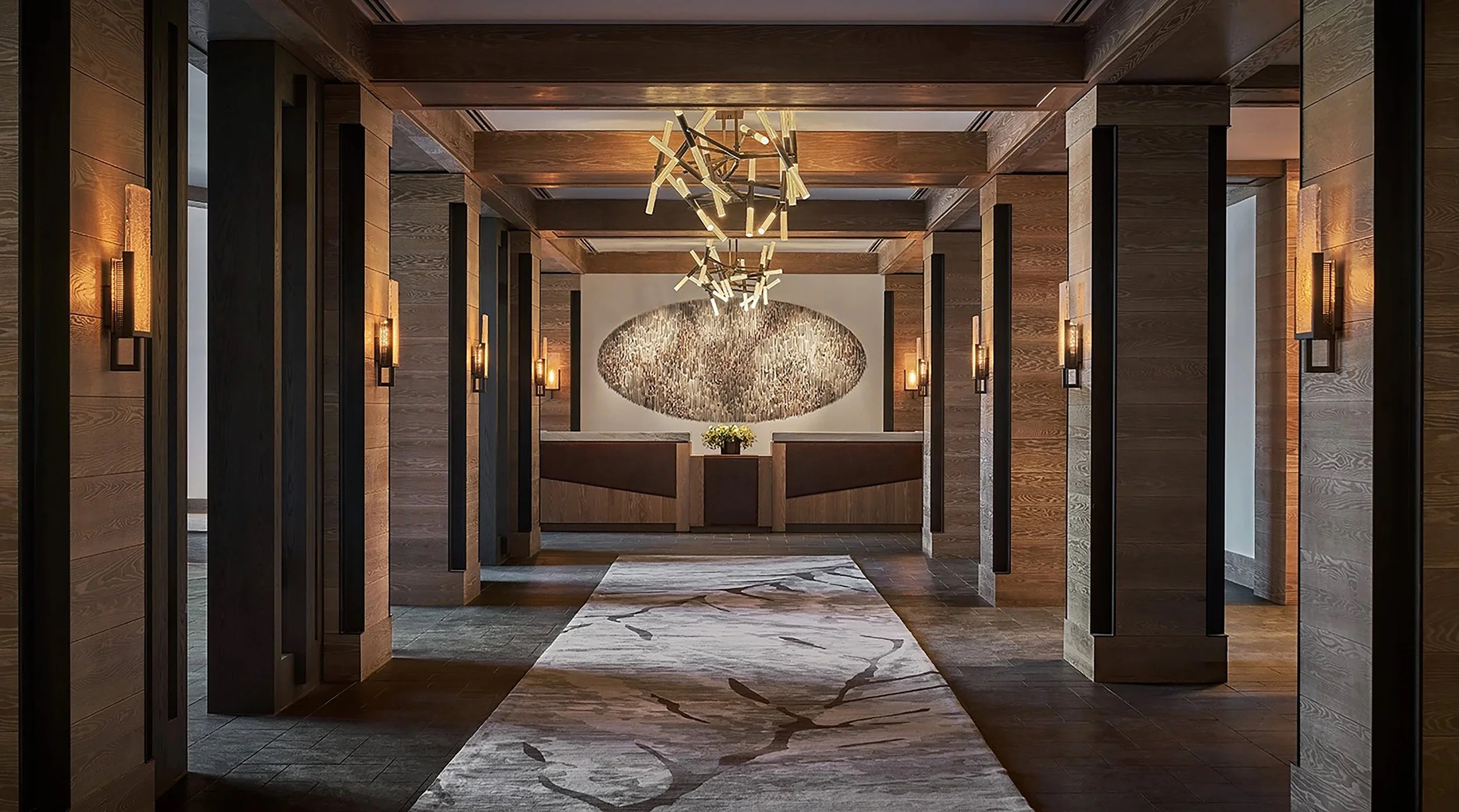
Upstream, where identity is defined.
Farmboy works upstream, alongside the architect and interior designer at the identity definition phase, before procurement compresses every creative decision into a unit cost. The strategically selected artwork is site specific and narratively authored. Not because it decorates a space, but because it defines one.
For owners and developers who want to understand what that means for their specific asset, the conversation starts with a simple question: what do you want people to say when they try to explain why they keep coming back?
Sources
- Anderson, C. The Impact of Social Media on Lodging Performance. Cornell Center for Hospitality Research.
- HVS. U.S. Hotel Development Cost Survey 2026.
- Nehmer & HVS Design. Hotel Cost Estimating Guide.
- Kahneman, D. & Tversky, A. Prospect Theory: An Analysis of Decision under Risk. Econometrica, 1979.
- La Biennale di Venezia. 61st International Art Exhibition: In Minor Keys.
- Brown, T. Unspoken Hospitality essay series. Ad Altius Advisors.